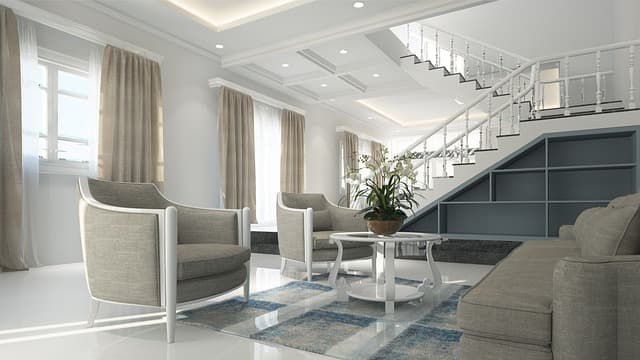
Interior design has always been about more than decoration. At its core, it is the art of shaping spaces to reflect how people live, relax, and interact with their environment. In today’s digital age, lifestyles increasingly blend physical comfort with virtual experiences. Many people now work, socialize, and unwind through digital platforms, making it essential for homes to support both everyday functionality and modern entertainment. As a result, interior design is evolving to accommodate digital leisure in ways that feel intentional, stylish, and comfortable.
Digital Entertainment as a Lifestyle Element
Digital entertainment has become a natural part of daily routines. Streaming services, online gaming, and interactive platforms are no longer occasional distractions; they are integrated into how people relax and recharge. This shift has influenced how living spaces are planned and furnished. Homes now often include entertainment corners, gaming desks, or fully dedicated media rooms designed to support immersive digital experiences.
Platforms such as Fugu Casino online represent the growing role of online entertainment in adult leisure. While the platform itself exists in a digital space, the physical environment in which people engage with it plays a significant role in overall enjoyment. Comfort, lighting, sound, and layout all influence how relaxing and engaging these experiences feel.
Designing Spaces for Digital Leisure
When designing interiors that support digital leisure, functionality must come first. Seating is a critical element. Ergonomic chairs, supportive sofas, or adjustable loungers help users remain comfortable during extended periods of gaming or viewing. Poor seating can quickly turn entertainment into discomfort, while well-chosen furniture enhances relaxation.
Layout also matters. Screens should be positioned at comfortable viewing heights and distances to reduce eye strain and neck tension. For gaming or interactive entertainment, desks and tables should allow easy access to controls while maintaining a clean, uncluttered look. Thoughtful spatial planning ensures that technology fits naturally into the room rather than dominating it.
Lighting is another essential factor. Harsh overhead lighting can disrupt screen visibility and reduce immersion. Instead, layered lighting—combining ambient, task, and accent lights—creates flexibility. Adjustable lighting systems allow users to shift from bright daytime settings to softer, atmospheric lighting ideal for evening entertainment. LED strips, floor lamps, and smart bulbs can enhance mood without overwhelming the space.
Technology as Part of Interior Design
Modern interior design increasingly incorporates smart technology. Voice-controlled assistants, automated lighting, smart thermostats, and integrated sound systems are becoming standard features in contemporary homes. For digital entertainment spaces, these technologies add convenience and sophistication.
A well-designed entertainment area might include a smart sound system synced with lighting, allowing users to adjust the environment effortlessly. Large screens or projectors can be seamlessly integrated into walls or cabinetry, preserving clean lines when not in use. Hidden wiring, built-in charging stations, and wireless solutions help maintain a minimalist aesthetic while supporting advanced functionality.
When designing spaces intended for online gaming or interactive platforms, ease of use should guide every decision. Technology should feel intuitive, accessible, and reliable. The best designs allow users to focus on enjoyment rather than setup or maintenance.
Balancing Style and Functionality
One of the biggest challenges in designing digital leisure spaces is balancing technology with visual harmony. Cables, devices, and accessories can easily create clutter if not managed properly. Successful interior design solutions prioritize organization and concealment without sacrificing accessibility.
Custom cabinetry, floating shelves, and multifunctional furniture offer elegant ways to store devices and accessories. Cable management systems keep wires out of sight, while built-in compartments allow controllers and peripherals to be stored neatly when not in use. These solutions ensure that the room remains visually calm and inviting.
Material choices also influence the balance between style and technology. Soft textiles, warm wood finishes, and neutral color palettes help counterbalance the sleek, sometimes cold appearance of electronic devices. This contrast creates a space that feels welcoming rather than overly technical.
Personalization and Atmosphere
Digital leisure spaces should reflect personal taste just as much as any other room in the home. Artwork, decorative objects, plants, and textiles add character and warmth. Personal touches help transform a functional setup into a space that feels uniquely yours.
Soundproofing or acoustic treatments can further enhance comfort, especially in shared living environments. Rugs, curtains, and wall panels reduce noise and improve sound quality, making entertainment experiences more immersive without disturbing others.
The Future of Home Entertainment Design
As digital platforms continue to evolve, so too will the spaces designed to support them. Virtual reality, interactive gaming, and immersive media will place new demands on home environments. Interior designers are increasingly thinking ahead, creating flexible spaces that can adapt to changing technologies.
The future of interior design lies in versatility. Rooms that can shift between work, relaxation, and entertainment allow homes to evolve alongside lifestyles. Modular furniture, adaptable lighting, and smart systems support this flexibility.
Conclusion
Interior design and digital entertainment are no longer separate considerations. Together, they shape how people experience leisure, comfort, and connection within their homes. By thoughtfully integrating technology, furniture, lighting, and storage, it is possible to create spaces that support immersive digital experiences without compromising style.
Whether designing a cozy living room, a dedicated entertainment area, or a personalized gaming space for enjoying platforms like Fugu Casino online, the key is balance. When comfort, functionality, and aesthetics work together, the home becomes a place where digital leisure feels natural, enjoyable, and deeply integrated into everyday life.